How to Write a Marketplace Listing That Sells: A Step-by-Step Guide

A listing is a small piece of salesmanship, and most of it is plain courtesy: say what you have, show what it looks like, and make it easy to collect. Yet the classifieds are full of entries that read "Sofa, good condition, message for details." Those listings do get replies — just not the useful kind.
What follows is a working method for writing local listings that attract buyers who arrive with a van, the right money and no surprises. None of it takes long. Most sellers who adopt it find they spend less time answering messages and more time handing things over.
Start With a Title That Names the Thing
The title does one job: it tells a scrolling buyer what the item is. Charm, urgency and backstory belong in the description.
Front-load the words someone would actually type into a search box — brand, model, item type, colour, size, material. "IKEA Hemnes three-drawer dresser, white" will be found by people looking for exactly that. "Stunning bedroom furniture, must go!" will not, and it reads like a shop closing down.
A few working habits:
- Lead with the item type when the brand is obscure: "Solid oak dining table, seats six" beats a maker's name nobody recognises.
- Include size where it matters — 140 cm, single, queen, 55-inch.
- Flag condition in the title only when it's a genuine selling point or warning: "as new," "needs reupholstering," "spares or repair."
- Skip capital letters, exclamation marks and stacks of keywords. They read as noise.
Keep it under roughly sixty characters so it doesn't get chopped off on a phone.
Write a Description That Answers the Questions Buyers Actually Ask
Treat the description as a conversation you're having in advance. A buyer's first three questions are almost always the same: what exactly is it, how big is it, and what's wrong with it. Answer those in the opening two sentences.
Put the facts in a block
Use short paragraphs and a list for the specifications, so the whole thing can be skimmed in fifteen seconds:
- Dimensions, including the ones that decide whether it fits through a doorway
- Brand and model, plus age if you know it
- Material and colour, described plainly
- What's included — shelves, fixings, cable, cover, manual
- Condition, including every flaw you'd notice if you were buying
- Reason for selling, in one line, if it helps
Say the awkward part out loud
Honesty about flaws is not charity; it's efficiency. "There's a water mark on the top left corner, visible in photo four" filters out the people who wanted a perfect one and reassures everyone else that the rest of your description is accurate.
A scratch you mention is a scratch the buyer has already accepted before they arrive. A scratch they discover on the doorstep ends the sale.
Avoid "good condition" on its own — it means different things to different people. "Used daily for four years, one small chip on the front edge, drawers run smoothly" says far more. If the item comes from a smoke-free or pet-free home, say so; buyers with allergies do look for it.
Choose Photos That Do the Selling
Photos carry more weight than any paragraph. Take them in daylight near a window, with the item cleared of clutter. Wipe it down first — two minutes of dusting changes how the entire listing reads.
What the set should cover:
- A clean full shot of the item, upright, in focus, taken from slightly above eye level
- Two or three angles, so the buyer can build a mental model of it
- Close-ups of any label, model plate or serial number — this is what convinces careful buyers
- Close-ups of flaws, framed neutrally rather than hidden
- Something for scale, such as a doorway or a standard chair
- For furniture that comes apart, a photo of the fixings or the disassembled pieces
Skip filters and wide-angle distortion. Remove people, paperwork and anything personal from the frame — mirrors are a common accident here. Six to ten photos is generous; thirty is not better, because the buyer wants to see the item, not your afternoon.
Price It With a Little Room to Move
Before you settle on a number, look at what comparable items are listed for locally. Then look at how long those listings have been up. An item sitting at a certain figure for six weeks is telling you something the price itself isn't.
Two practical rules. Decide your floor before you publish — the lowest figure you'd genuinely accept — and price a little above it, so there's room for the ordinary back-and-forth of local selling. Then state your terms in one short line. "Price is firm" saves everybody time if you mean it. "Open to sensible offers" invites the conversation if you don't. "No lowballers" does neither; it mostly attracts the messages you were trying to avoid.
If you're selling several related items, mention that you'll do a better price on a bundle. If you're not in a hurry, price for patience rather than a fast sale. Both are legitimate — the listing just needs to make clear which one you're doing.
Make Pickup Details Boringly Clear
This is the section most listings skip, and the one that decides whether a buyer turns up at all.
Give the neighbourhood or nearest cross streets rather than your full address, and share the exact door once a time is agreed. Say what access involves: ground floor, three flights of stairs, a narrow hallway, a lift to the second floor. State whether you can help carry the item to a car, or whether the buyer should bring a second pair of hands and a suitable vehicle. For anything large, that single sentence prevents most failed collections.
Add your rough availability — evenings after six, weekends, weekday mornings — and how you'd like to be paid. Close with what happens next: "Message with a time that suits you and I'll confirm the address."
Keep your own safety in mind, too. For small items, a public meeting point is fine. For anything happening at home, don't confirm the address until you have a name and a time, and trust your instincts if a reply feels off.
Before You Publish: A Five-Minute Checklist
Read the whole listing once as if you were the buyer, then run through this:
- Does the title name the item, with brand or size, without shouting?
- Do the first two lines answer what it is and how big it is?
- Is every flaw named in the text and visible in a photo?
- Are dimensions, included parts and condition all present?
- Are the photos bright, sharp and free of clutter?
- Is the price clear, with your position on offers stated?
- Does the pickup section cover location, access and timing?
Then keep it current. Mark the listing as sold once it's gone, and edit the price rather than reposting — a fresh listing every three days looks like desperation, and buyers notice. A good listing is not so much written as assembled, fact by fact, until there's nothing left for a buyer to wonder about.
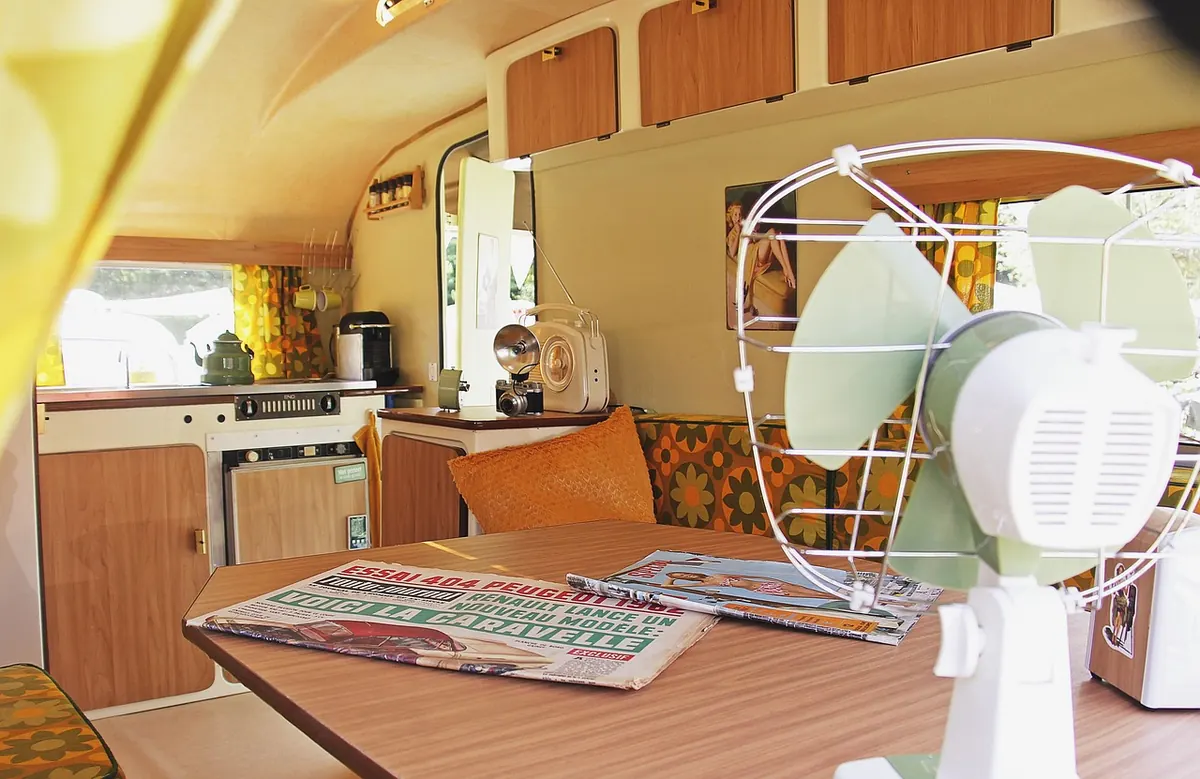
Photo: Suzy Hazelwood / Pexels