How to Promote Your Community Event for Free: A Local Events Checklist
Promoting a community event without a budget is less about shouting louder and more about being useful, clear, and repetitive in the right places. A church hall quiz night, a library book swap, a neighbourhood clean-up, a school fair: each one needs the same basic information in front of the same local people several times before it feels real. The aim is not to be everywhere at once. It is to be easy to find, easy to understand, and easy to share. The checklist below walks through what to prepare, where to post it, and how to keep the message alive in the final week. None of it requires paid advertising. It does require a little organisation.
Start with one clear event page
Before posting anywhere, create a single place that holds every detail. This can be a page on your group’s site, a public event listing, or a local marketplace entry. Everything else will point here, so it must be complete. If you use three different descriptions across three platforms, people will ask three different questions. A single page also means that when someone shares the event, they share the most accurate version, not an old screenshot or a half-remembered poster.
The five details people look for first
- The date, start time, and finish time.
- The venue name, address, and which entrance or room to use.
- Whether entry is free, whether booking is needed, and how to book.
- Who the event is for: families, adults, beginners, members, or everyone.
- How to ask a question, ideally a phone number or a contact form.
Add accessibility and transport notes if relevant. “Step-free access from the side door” or “bus stop two minutes away” prevents people from turning up at the wrong door or deciding not to come. If food is served, say whether vegetarian options exist; if children are welcome, say whether they need supervision. If parking is limited, say so before people arrive and discover it for themselves.
Write the description in layers
First sentence: what it is and why someone might come. “A bring-and-swap plant morning for gardeners who have too many seedlings and not enough labels.” Then practical details. Then a short line about the hosts. Avoid vague phrases like “fun for all”. Concrete words do more work. If it is a fundraiser, say what the money supports. If it is a meet-up, say what happens in the first twenty minutes, so newcomers know what to expect. A simple line such as “We will start with tea and a short welcome, then split into groups” can turn a maybe into a yes.
Claim the free local channels you already have
You do not need a media budget. You need a route through places where local people already look. Start with the channels you can update yourself, then ask for help with the ones you cannot. Keep a simple list of where you have posted and when, so you do not repeat the same message in the same group too often.
Noticeboards, shop windows, and community screens
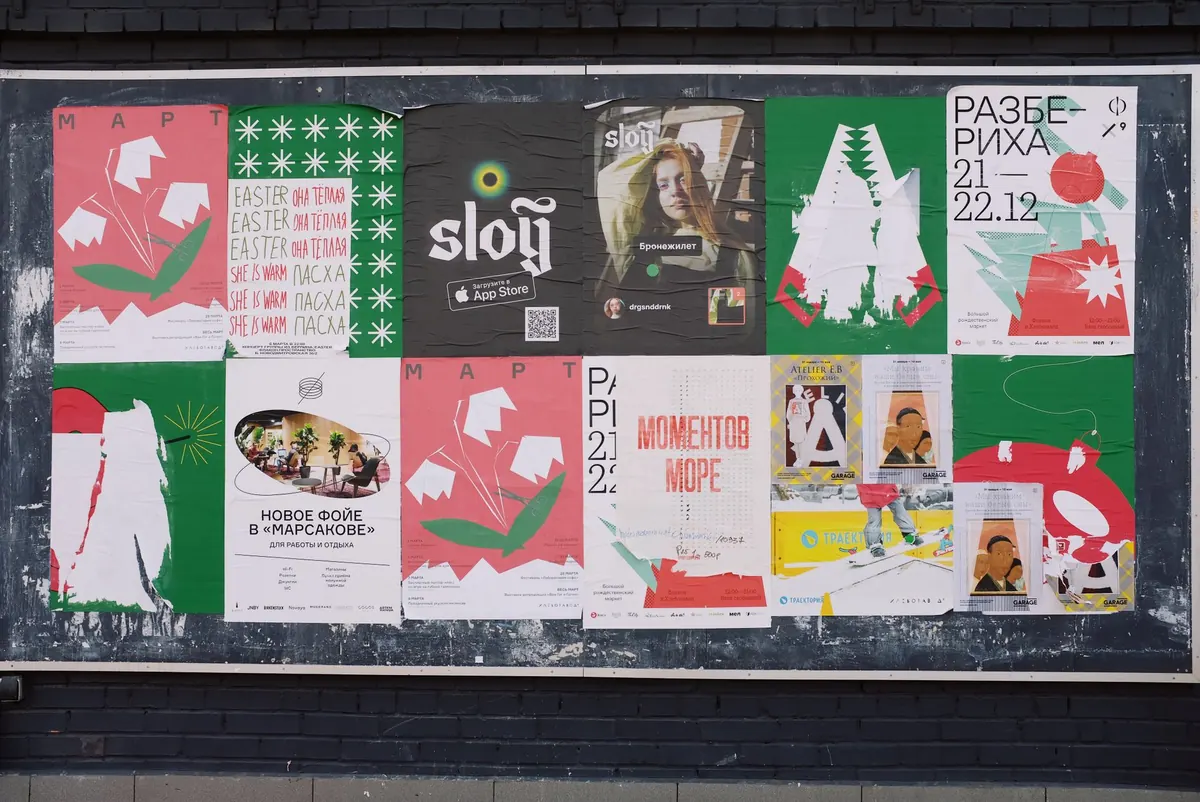
Print a simple A5 or A4 sheet with a large date, venue, one-line description, and a short web address or a line saying where to find details. Ask cafes, libraries, community centres, corner shops, gyms, and workplace break rooms. Always ask permission, and offer to remove it yourself after the event. Put the sheet where people wait, not only where they pass. The queue at the till, the table by the library entrance, and the staff room noticeboard are better than a door people hurry through.
Local marketplace listings and community groups
On a local marketplace site, write a listing in the events category or community section. Follow the category rules and avoid posting the same message in five unrelated groups; that reads as spam. In neighbourhood groups, post from a personal or group profile with a clear connection to the area. Mention the street or landmark. Answer comments publicly so one answer helps everyone. If someone asks “Is this suitable for a toddler?”, reply in the thread rather than only by private message.
A practical free-channel sweep:
- The community noticeboard at the library, co-op, or town hall.
- A local marketplace events listing with the full description.
- One or two neighbourhood social groups, with a location-specific post.
- Your own email list and WhatsApp group.
- Partner organisations’ newsletters and noticeboards.
- A school, workplace, or faith-group bulletin, if you have a connection there.
- Local radio community bulletins, where they accept submissions.
- Council, library, or volunteer-centre online calendars that accept free listings.
Prepare a small sharing kit
A sharing kit saves time and keeps the message consistent. Make it once, store it in a folder, and hand it to anyone who offers to help. It should be small enough to send in one message and clear enough that a busy partner can use it without editing.
One image, three captions
Use a clear image with the event name, date, and venue in large type. A photo from last year’s event is better than a generic graphic, if you have permission. Then write three short captions: one for a marketplace listing, one for a social post, one for a WhatsApp or email message. Keep each under 60 words and end with the same call to action: “Details and booking on the event page” or “Just turn up.” Keep the image simple: one date, one venue, one line. If you cannot make a graphic, a bright photo with text added in a free editor is enough. Make sure the date is readable on a phone screen.
A short paragraph for partners
Write a 50-word description that a partner can paste into a newsletter without editing. Include the date, venue, one sentence on what happens, and where to find more. Offer to send an image sized for their format. The easier you make it, the more likely a partner will include it. A ready-made line such as “We are helping to spread the word about this free local event” gives them a reason to share it without sounding as if they are promoting something they do not know.
Make it easy for people to say yes
People rarely decide to attend in one step. They check the time, the location, whether they can bring someone, and whether they will feel out of place. Anticipate the quiet questions and answer them on the event page before anyone has to ask. This is especially important for first-time attendees, people coming alone, and families who need to plan around naps, meals, or transport.
Answer the questions before they are asked
Add a short practical note covering the things people commonly worry about. You do not need a long FAQ, but a few clear lines can remove hesitation.
- Is there parking, and is it free?
- Can I bring children, a friend, or a dog?
- Will there be seating, toilets, and step-free access?
- Do I need to book, or can I just turn up?
- What should I bring, wear, or prepare?
Put these on the event page and in a pinned comment where the platform allows it. If the answer changes, update the page and mention the change in your next post. Nothing spreads faster than outdated details.
Use one simple call to action
Choose one action and repeat it. “Save the date”, “Book a free place”, “Just turn up”, or “Reply to this message” are all clear. Using five different instructions across five posts makes people do nothing. The call to action should match the effort you are asking for: a small coffee morning needs “Just turn up”, while a workshop with limited chairs needs “Book a free place”.
Follow a two-week announcement rhythm
One post is not a campaign. People need to see an event several times before they act, and the final reminder matters as much as the first announcement. A simple rhythm works for most community events.
- Fourteen days out: publish the event page and first announcement. Share with your core group and partners.
- Ten days out: post in the local marketplace and neighbourhood groups. Ask two partner organisations to reshare.
- Seven days out: send an email or message to your list. Put up printed notices.
- Three days out: short reminder with one practical detail, such as “Bring a reusable bag” or “Doors open at 6:30.”
- Day before: final reminder with venue and start time. Ask people to share it with one friend.
- Morning of the event: post a short “we are here” message with the entrance, start time, and any last-minute change. Ask a helper to welcome early arrivals and point people to the sign-in table.
If your event is smaller, compress the rhythm into one week. If it is larger, start three weeks out and add one extra reminder. The exact spacing matters less than the repetition and the consistency of the details.
After the event: keep the goodwill working
Promotion does not end when the chairs are stacked. The people who came are your best source of word of mouth for the next event, and the people who helped deserve to see that their effort mattered. A short follow-up also gives you material for next time.
- Thank helpers and partners publicly, naming the local groups or businesses that supported you.
- Post a short recap with one good photo, if everyone pictured is happy for it to be shared.
- Ask attendees one simple question, such as “What should we repeat next time?”
- Collect email addresses with permission for future events, and keep them in one place.
- Write down what worked, what did not, and where people said they saw the event.
This is the unglamorous part that makes the next event easier. A five-minute note after the clean-up or quiz night can save an hour of guesswork later. The checklist is deliberately simple because free promotion works best when it is repeatable. Make one clear page, use the local channels you already have, prepare a small sharing kit, answer the quiet questions, and keep reminding people until the morning of the event. That is enough to fill a room without spending a penny on advertising.
Photo: ready made / Pexels